
Wilderness education
Field courses, walks and camps that put people in front of the thing itself — tracks, calls, scat, weather, and a forest that does not perform on cue.
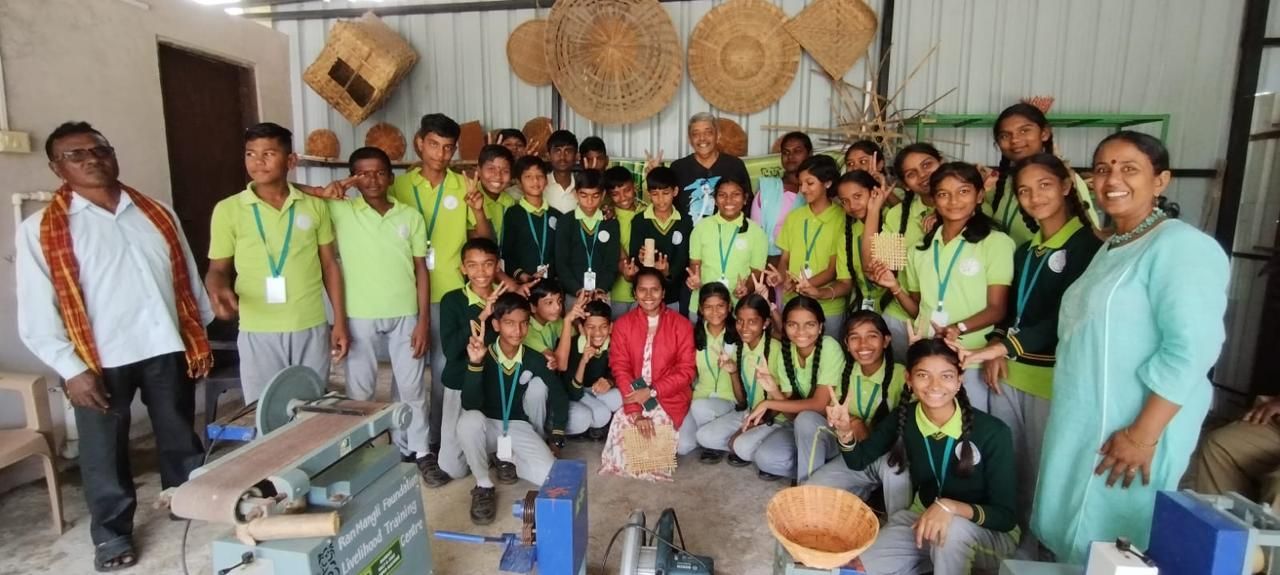

About us · Ran Mangli Experience
Ran Mangli Experience creates on-field opportunities for young people in wilderness education, interpretation and community partnered conservation.
The mandate
Ran Mangli Experience is the not-for-profit arm of the farm. Its work sits where field learning, interpretation and the lives of forest neighbours meet.
Field courses, walks and camps that put people in front of the thing itself — tracks, calls, scat, weather, and a forest that does not perform on cue.
Training naturalists to read a landscape and then pass it on: to a child, a farmer, a forest guard, or a stranger in the next jeep.
Conservation that begins with the people who live beside the forest, and with the livelihoods that let them keep it standing.
Why it matters
The reasoning behind the mandate, in the foundation’s own words.
The present-day education system provides students with very few hands-on learning opportunities. Field work options need to be created that complement classroom education — and this learning experience should help students build their careers.
While safer spaces for wildlife are the most pertinent need, effective conservation also has to take human society into consideration. The “man–environment” interaction needs to be studied from a whole new perspective — so that communities are partnered to conserve wildlife beyond the borders of protected areas.
The extractive pressure that forest-neighbouring people place on forest resources is blamed for many conservation ills. But the existing approach of forcibly keeping people away from the forests has not worked. In fact, it is these people who have paid the price for our conservation ideas — with a lack of roads, medical facilities, schools, electricity and even drinking water. An alternative approach should ensure livelihood generation for these communities, reducing their forest dependence and thereby the probability of conflict.
Anirudh Chaoji is an ecologist and ecotourism expert. He founded Pugmarks, one of the most popular wildlife and adventure camping organisations, then retired early to follow his heart’s calling: working with the Forest Department to involve local communities in conservation.
“Tourism is the only solution to antisocial activities.”Anirudh Chaoji, Condé Nast Traveller, 2019
After successfully running Pugmarks, Anirudh retired early and moved to his heart’s calling. He has since been working with the Forest Department, first at Melghat Tiger Reserve and then at Tadoba Andhari Tiger Reserve. His work has been predominantly in the field of involving local communities in conservation.
“I have seen that our forests are under tremendous pressure from the rising human population. Unfortunately this pressure is only increasing, as the population shows no signs of getting under control. Thus I think the solution lies in working with this population by helping them to seek livelihoods from outside of the forests.”Anirudh Chaoji
Since childhood Anirudh was always hooked to the outdoors. The birds and smaller mammals fascinated him the most. He was convinced that adventure should be a part of life. So he ended up being an explorer, wildlifer, trekker, scuba diver, sky diver, river rafter, birdwatcher and a nomad for life! He considers the local people, their customs, and nature to be his best teachers, he considers himself a learner for life.
There were three idiots in the film, and I am the fourth. But they didn’t take me in the film… In fact the script couldn’t accommodate us — a few like me who belonged to the category of the Fourth Idiot.
One of the biggest worries for parents is the upbringing of a child, especially a son, when he is out to meet the world. Many a time this is when parental preaching would put even the most zealous preachers to shame — making the Madonnas scream, “Papa don’t preach”.
The age of adolescence is more revolting than the Bin Ladens, and the damage to the institution called family would far surpass that caused to the twin towers. This is the time when the father generally takes up the role of George Bush and the mother becomes the peacemaker.
It is in this backdrop that I look back and wonder why our relationship did not call for “mediations, interventions, hot pursuits”, or even the regular dose of advice. In my relationship with my father, I cannot remember receiving the fatherly medicine — though I must confess I was not an abnormally soft or un-revolting young man. I was like most other kids of my age then. I too went through those phases when I felt that the society and the system were absolutely wrong and only a revolution could set them right.
Everything that was told needed to be outright rejected, or accepted only after stamping objections. So what stopped the hell from raining fire? “Baba”, as I call my father, despite being from the armed forces, has never been a Hitler who would crush any uprising. But then he hasn’t been a Gautam Buddha either. He has always been a normal man.
But there was something in him that set him apart. I remember the only advice he gave me was a simple one line:
“Anyone can do what he likes; but very few people can like what they do. You should do that.”Baba — the only advice he gave
This was the mantra that made Baba different. A barber’s shop, he said, would be an excellent enterprise if I liked. And I almost did that, though with a small difference: I started with people’s lawns instead of their hair. As a profession I began practising landscaping, and soon I was also taking people out into the jungles.
As a pugmarker, I made them walk in the rains, waterfalls and puddles, and befriended them with animals, birds and butterflies. I have thoroughly enjoyed every bit of this non-formal job. Being paid for it has made it even more rewarding. Today I am thankful to Baba for not enforcing a formal career on me. But only a few of us are lucky enough to fall into this category of the Fourth Idiot — people who were inspired to follow their heart’s calling.
Little wonder, we did not make it into the film. In the process of bringing me up, one of the most important contributions Baba has made is that of developing a wide range of hobbies. Today I have an excellent collection of stamps, coins and artefacts, and I love to explore wilderness. These passions have kept me away from frustrations, and more importantly from drugs, smoke and alcohol.
Now it is my turn. At Pugmarks, I continue to inspire people to pursue their hobbies and passions in wildlife and adventure, and to develop them into careers. This, I am sure, will make many more satisfied human beings — instead of just “well off” lost souls…
Anirudh Chaoji is the founder of Pugmarks and Ran Mangli. The same instinct runs through the naturalist programme at the farm, and through the work of the foundation.
Stories
Story
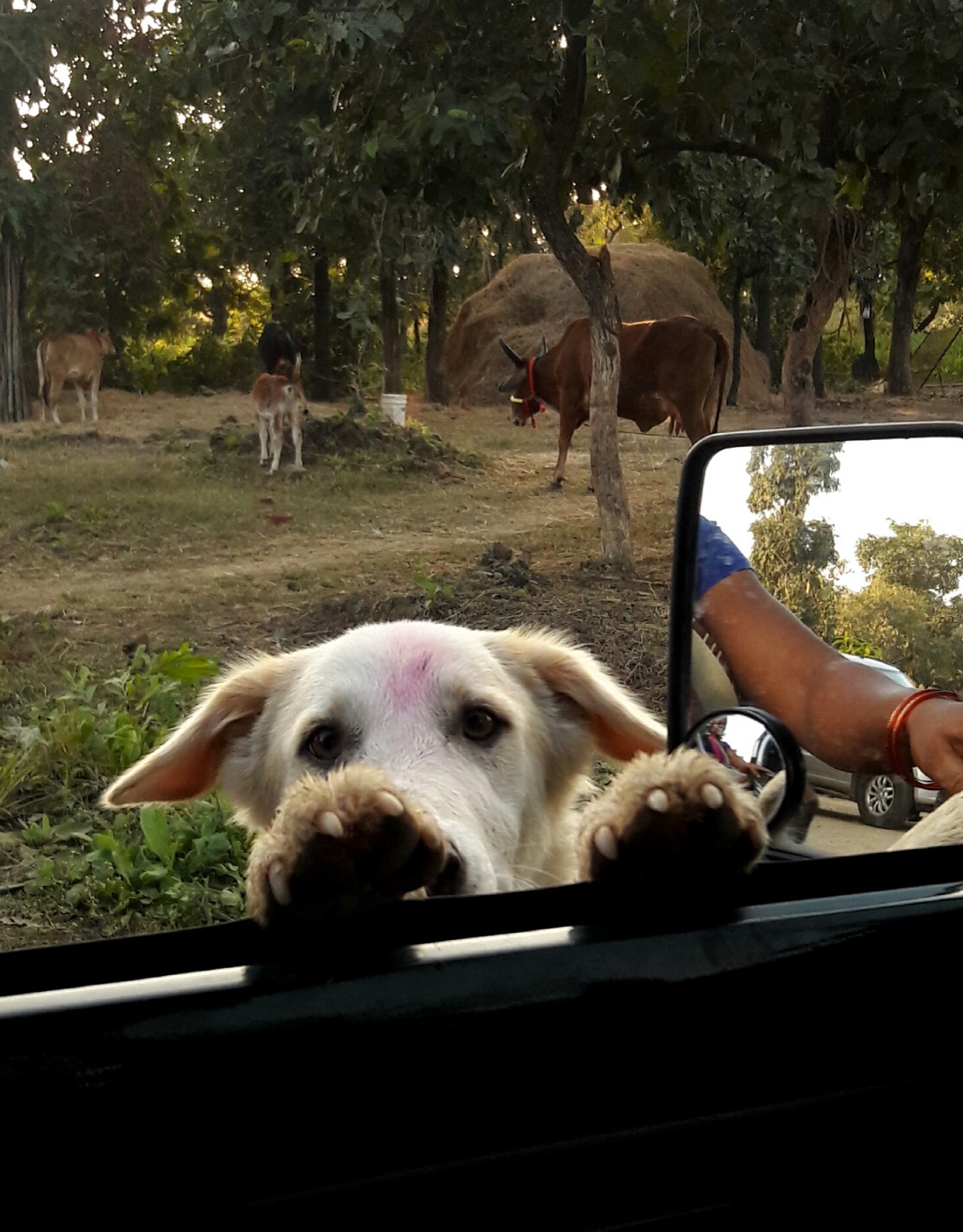
In the past 10 years it has been noticed that an increased eco tourism activity has resulted in better protection in many forests of Vidarbha. There are positive changes in the form of reduced shikar, lesser forest fires and reduced grazing pressures. The local communities have seen tangible benefits of eco tourism. The most evident being the fact that the antagonism with the Forest Department has eased significantly.
The Forest Department is working with village level working groups called Village Eco Development Committees (VEDCs) in the buffer villages.
Conflicts with wildlife often occurred due to the regular visits that people made into the forests, to collect firewood and to defecate. Schemes were drawn to finance and provide toilets and LPG connections in every home.
VEDCs’ path breaking move was to develop economic means for the locals through non-extractive occupations. They started with eco tourism. Eco tourism not only created jobs for the locals, but also promoted traditional practices.
With time, it was observed that the local youth that took up the eco tourism jobs of guiding and driving safari vehicles developed a strong sense of ownership over these forests. Sand mining, illegal shikar, cattle grazing and forest fires reduced.
This transformation has surprisingly made many of the outside villages approach the State Government with a request to be included into the buffer area.
Original postStory
Ran Mangli’s approach to conserving the forest is by involving the locals, providing them sustainable livelihood skills, making them self-sufficient, reducing their dependence on forests and eventually reducing conflicts with officials and the wildlife. When the officials and the locals started working together, the conservation efforts became much more effective.
So, as a first step the Forest Department started to empower the locals with new non-extractive livelihood skills. Ran Mangli has been the bridge in this process. We have fostered and promoted conservation and protection of the wilderness with active participation of the local population.
A very important part of involving the local communities was to provide a due representation for the ladies in the eco tourism solution.
Original postTestimonials
“While some work towards good for forest and many others towards people, Ran Mangli seems to be making a difference by working as a bridge between the forest and the villagers around it! Love it!”
“It’s a very good initiative towards conservation as it always starts with people around it. It’s good to see that these people make their living by protecting the forest.”
“Mr. Chaoji is a fantastic human being who has been working with local communities in the forests of India and has been uplifting their lives with various activities. Do support his foundation Ran Mangli so he can support these communities.”
“Nature Conservation Society appreciates the efforts of the Ran Mangli team to reduce the dependence of forest dwellers on the forest and for the conservation of natural resources.”
Talks
Work with us
Schools, colleges, institutions and independent groups are welcome. Write to us with what you have in mind, and we will build the days around the season.