
Tadoba School of Naturalist Training
Understand the forest. Discover its secrets. Become a naturalist.
A five-day residential learning programme in the landscape of Tadoba-Andhari Tiger Reserve, Maharashtra.
The programme
Step beyond wildlife watching.
Step beyond the familiar experience of wildlife watching and discover the fascinating world of forests, wildlife and biodiversity.
The School of Naturalist Training is a five-day immersive learning programme designed to introduce participants to the science, skills and art of understanding nature. Through classroom sessions, practical demonstrations, guided field experiences and interactions with experienced naturalists, participants explore the many layers of a forest ecosystem.
From identifying animal footprints and understanding wildlife behaviour to discovering birds, butterflies, reptiles, insects and forest vegetation, the programme offers an opportunity to look at nature with a deeper perspective.
Whether you are a wildlife enthusiast, photographer, student, nature lover or someone beginning a journey into the natural world, this programme invites you to learn, observe and connect.
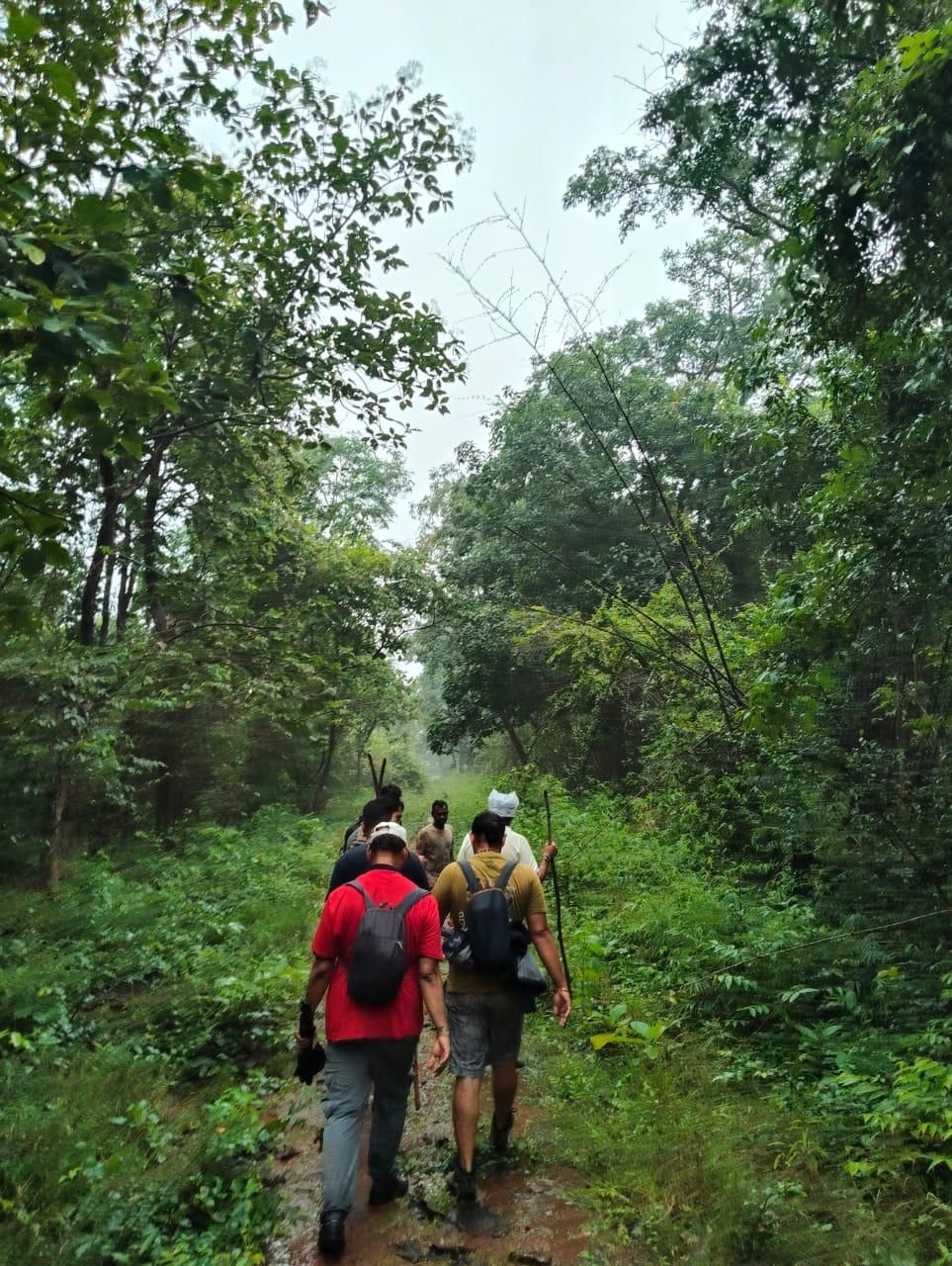
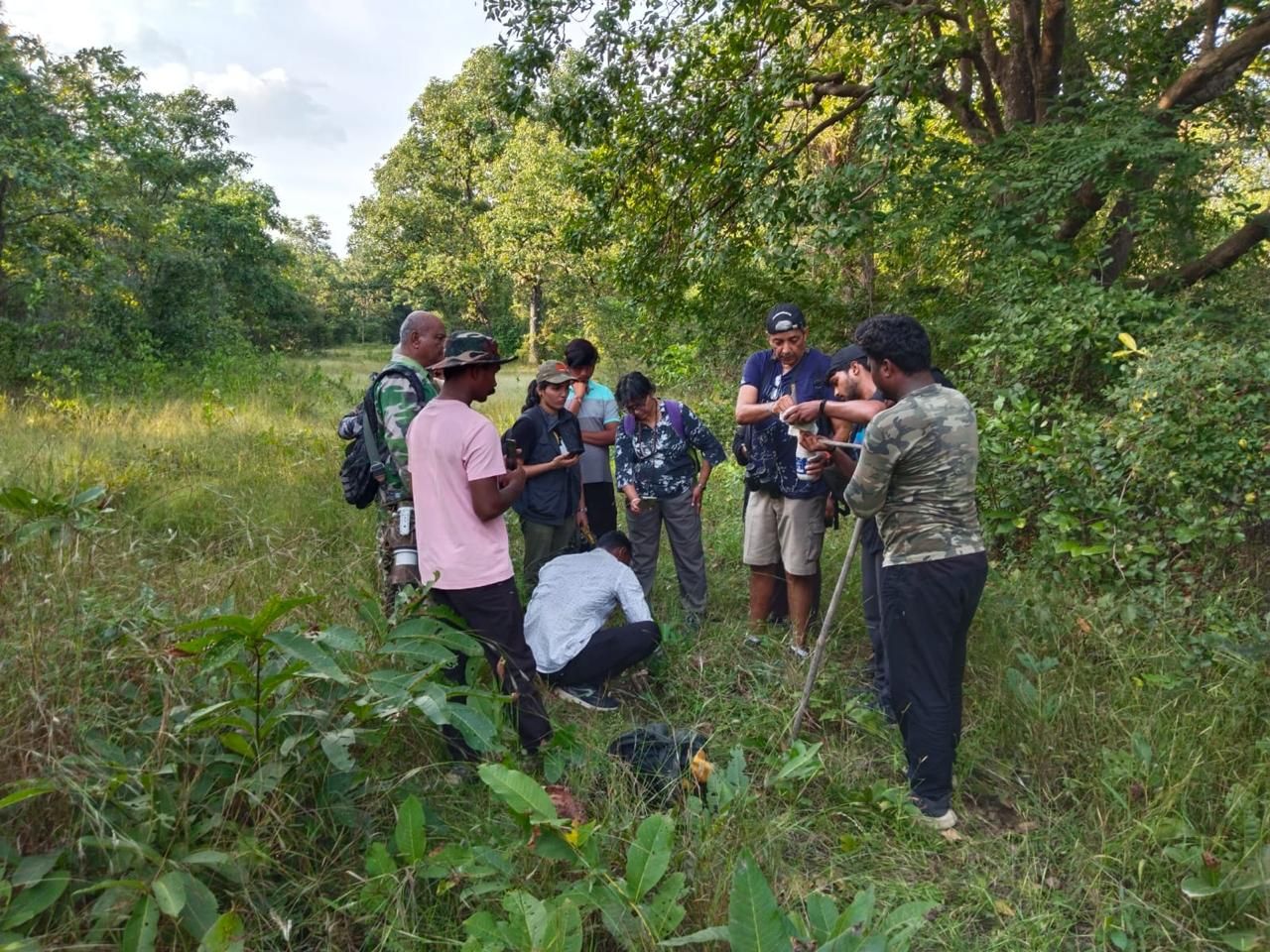
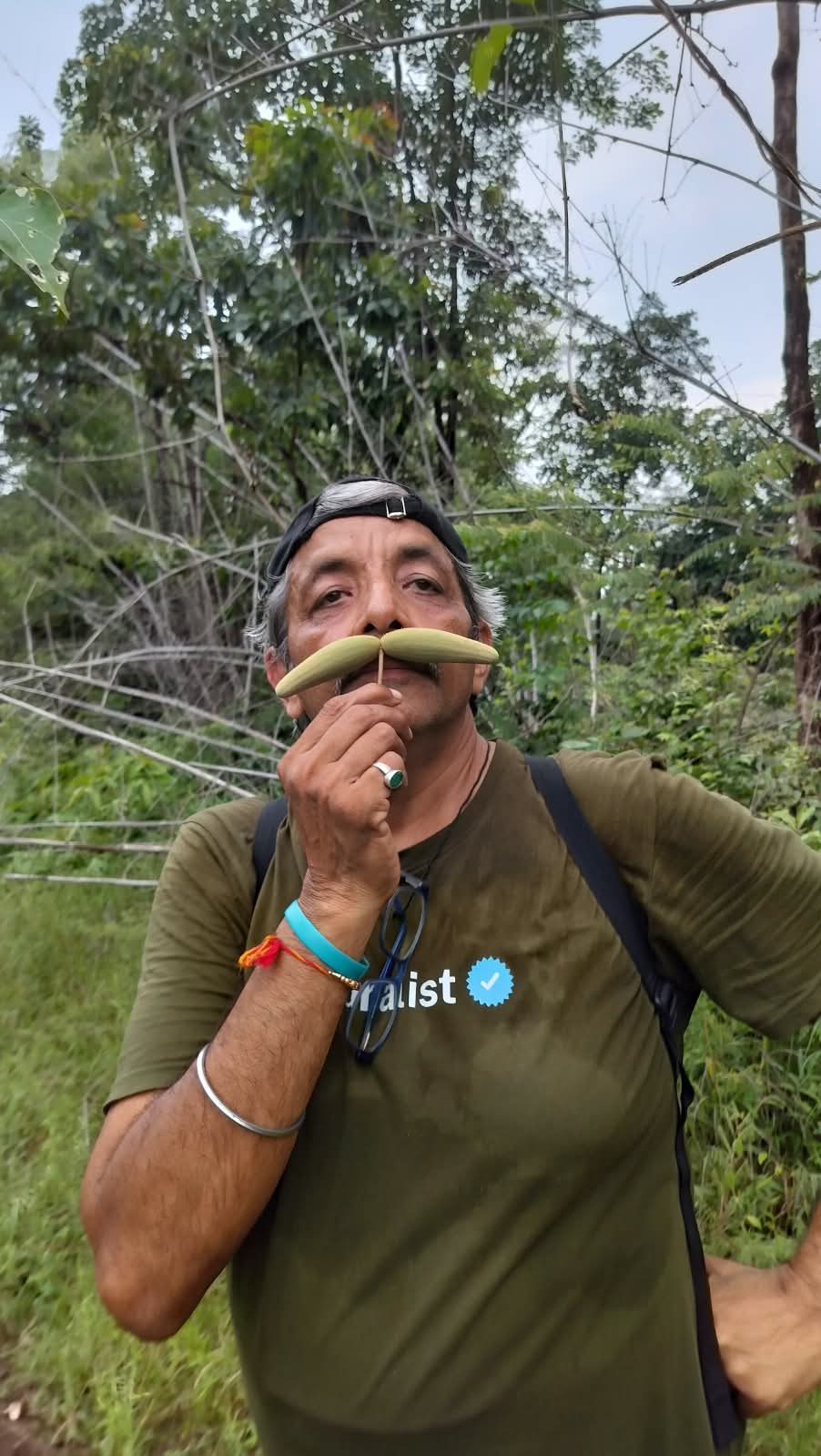
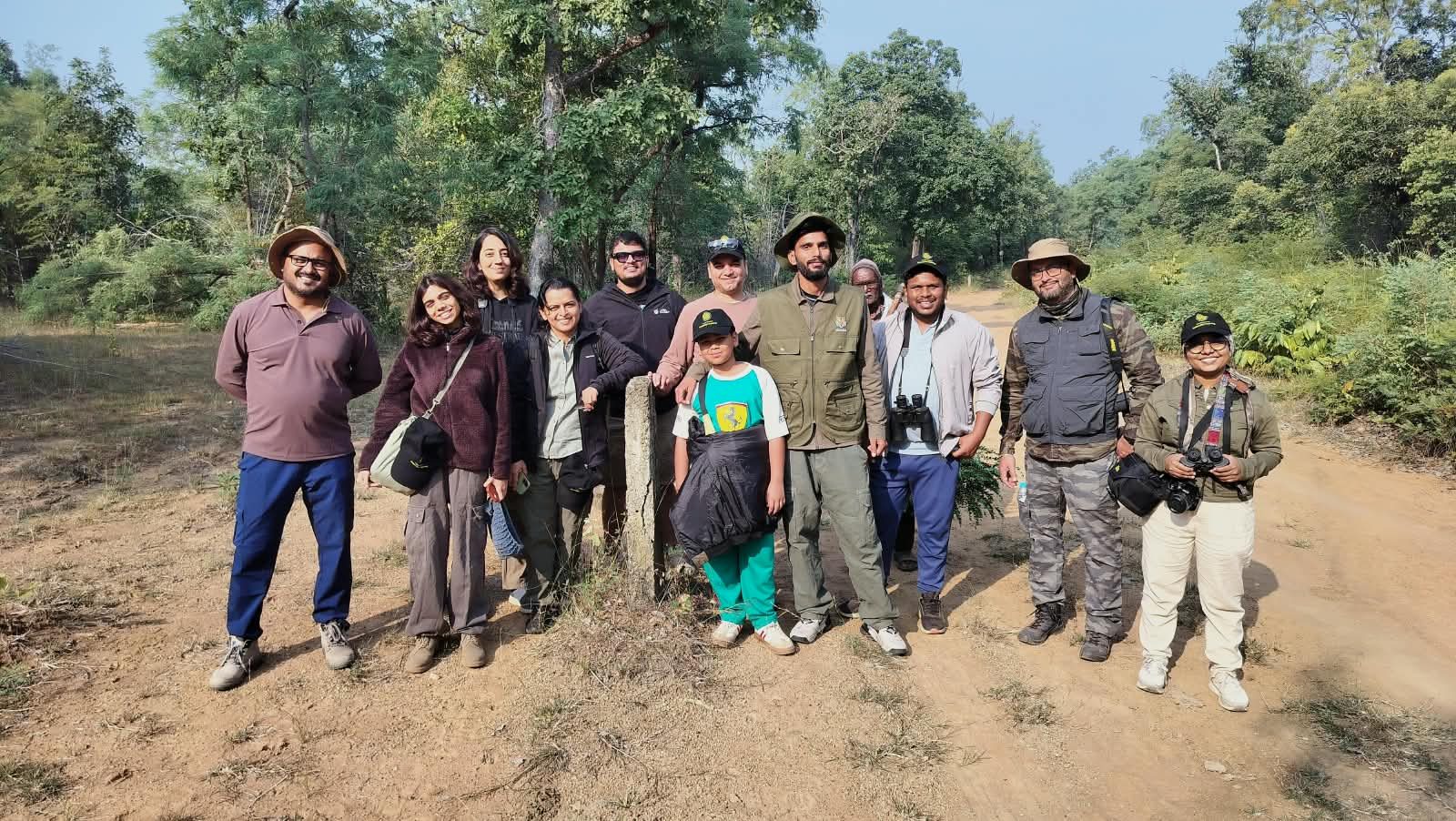
Field learning with the Ran Mangli Centre for Wilderness Learning Resources.On the ground
About the programme
The objective is not simply to identify wildlife but to understand the forest as a living, interconnected system.
A forest is much more than the animals we see. It is a complex ecosystem where every plant, insect, bird, animal, waterbody and natural process plays an important role. The programme encourages participants to develop observation skills, understand ecological relationships and appreciate the importance of conservation.
Who can participate
Anyone with curiosity and an interest in nature.
No formal qualification in wildlife biology or environmental science is required.
Young at heart. An open mind, curiosity and willingness to learn are what matter most.
- Wildlife and nature enthusiasts
- Wildlife photographers and filmmakers
- Students and young conservationists
- Birdwatchers and biodiversity enthusiasts
- Nature guides and aspiring naturalists
- Travellers interested in understanding forests
- Anyone who wishes to develop a deeper connection with nature
What you will learn
A curriculum built around the forest.
Nine modules, taught through classroom sessions and long hours in the field.
Understanding forest ecology
The structure and functioning of a forest ecosystem — vegetation, habitats, food chains and ecological relationships.
Wildlife tracking and interpretation
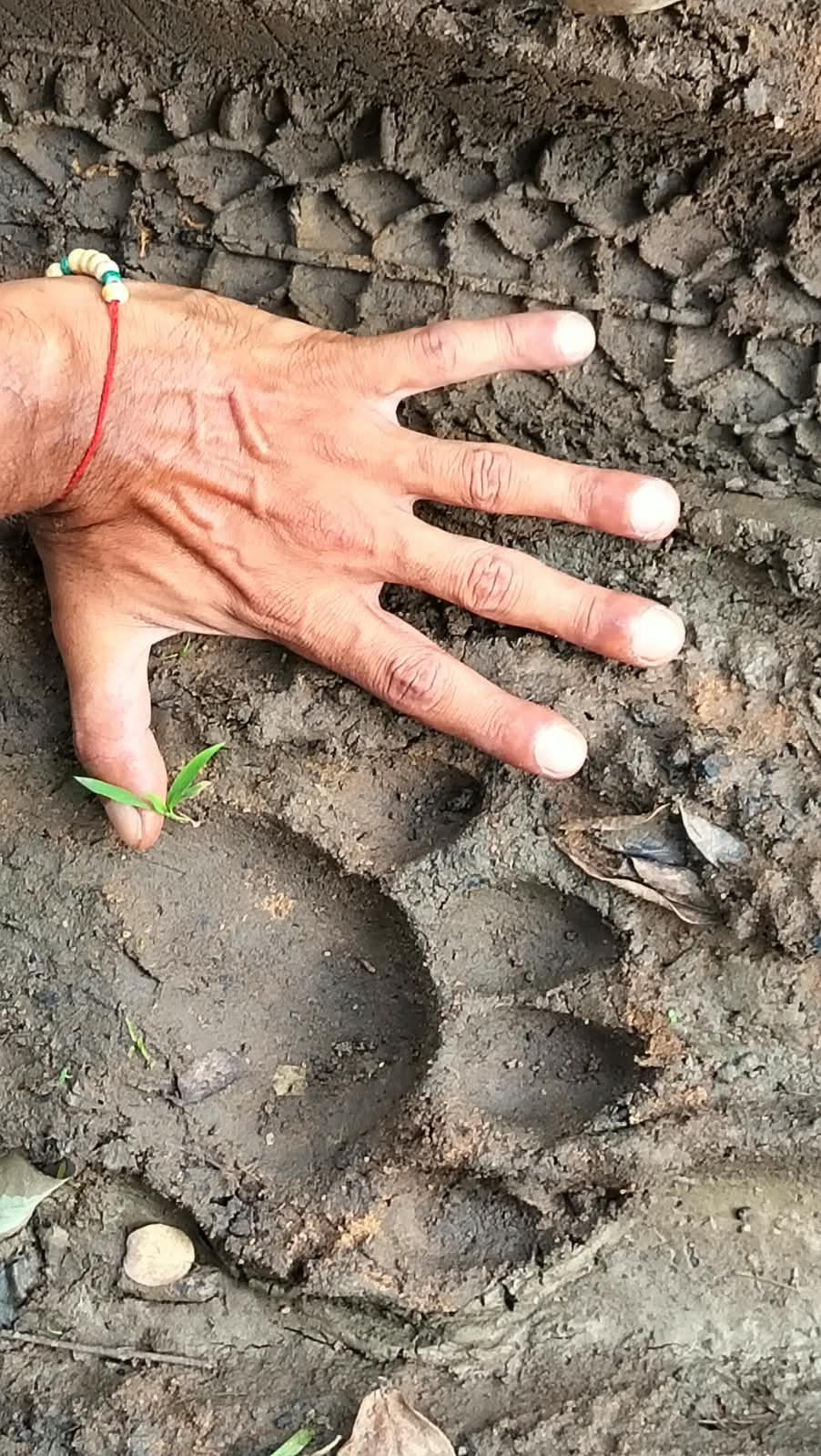
Read the forest through animal footprints, pugmarks, trails, signs, scat and other indirect evidence of wildlife presence.
Pugmark identification and casting
The importance of pugmarks in tracking, with practical Plaster of Paris casting and footprint interpretation.
Camera trapping
How camera traps work, where they are deployed, how they are set up, and how their images reveal wildlife movement and behaviour.
Birds and bird identification
Identify birds through appearance, calls, behaviour, habitat and ecological roles — and sharpen your observation skills.
Herpetofauna
The world of reptiles and amphibians, and their ecological importance in a healthy forest.
Butterflies and insects
Insect diversity, butterfly identification, life cycles, pollination and the role of insects in maintaining ecosystems.
Habitat management
Habitat improvement, water management, grasslands, meadows and vegetation — the balance a forest depends on.
Forest interpretation
How to interpret natural signs and communicate the stories of forests, wildlife and conservation to others.
The five-day learning experience
Classroom, field, and everything between.
The programme combines classroom learning, field sessions, practical exercises, demonstrations and interactions with experienced naturalists.
The daily sequence and sessions may be adjusted according to weather, field conditions, expert availability and operational requirements.
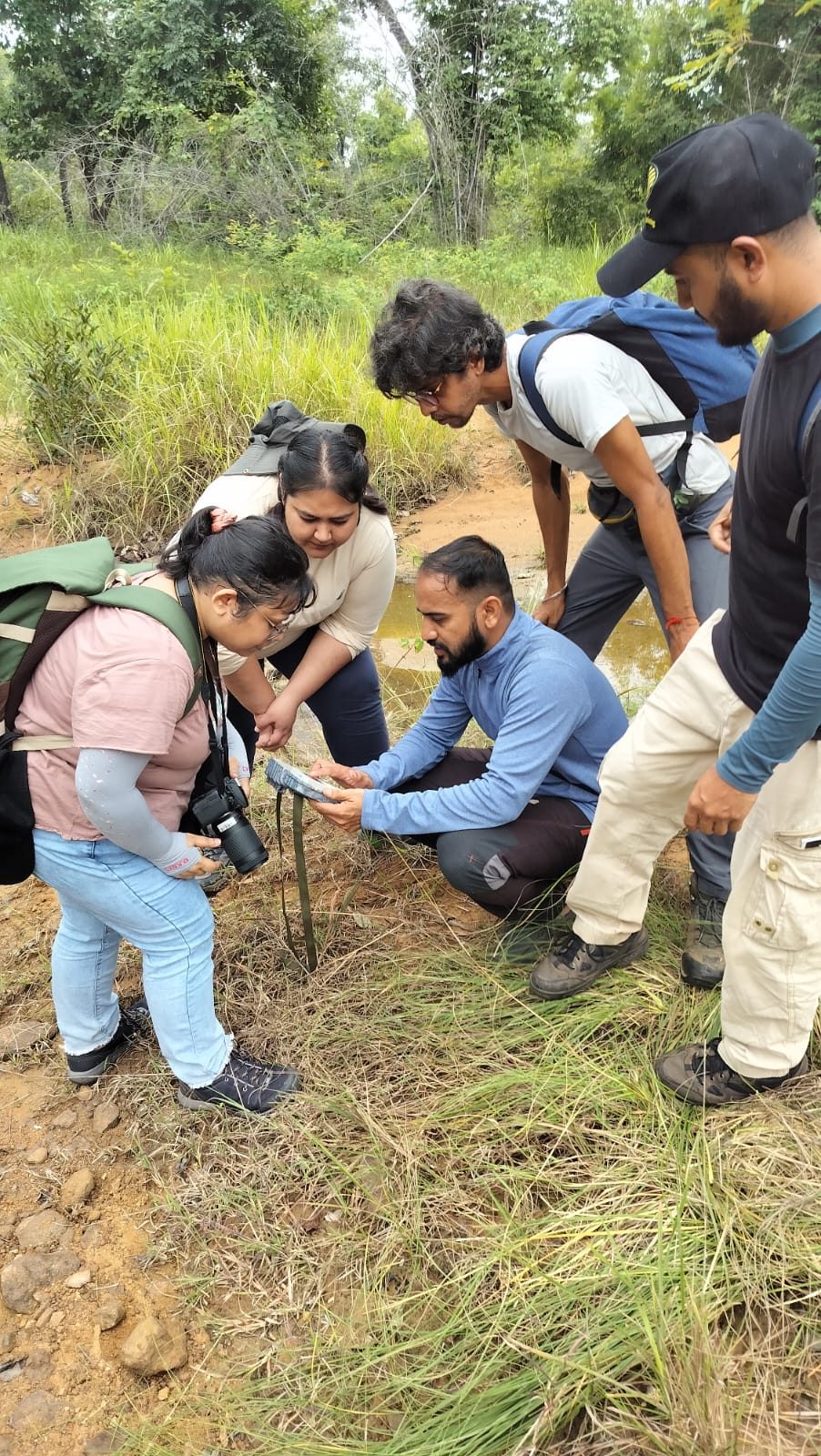
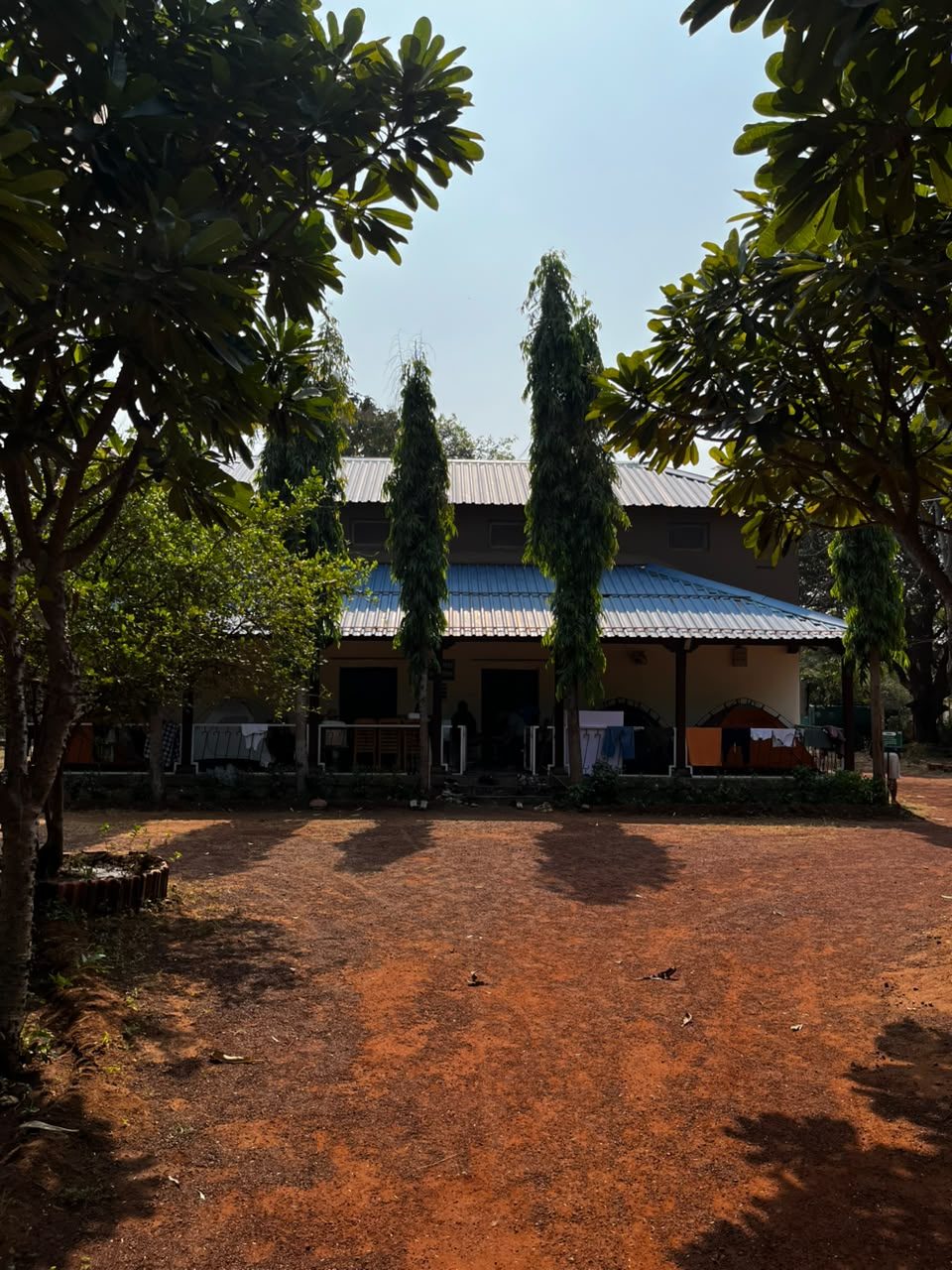
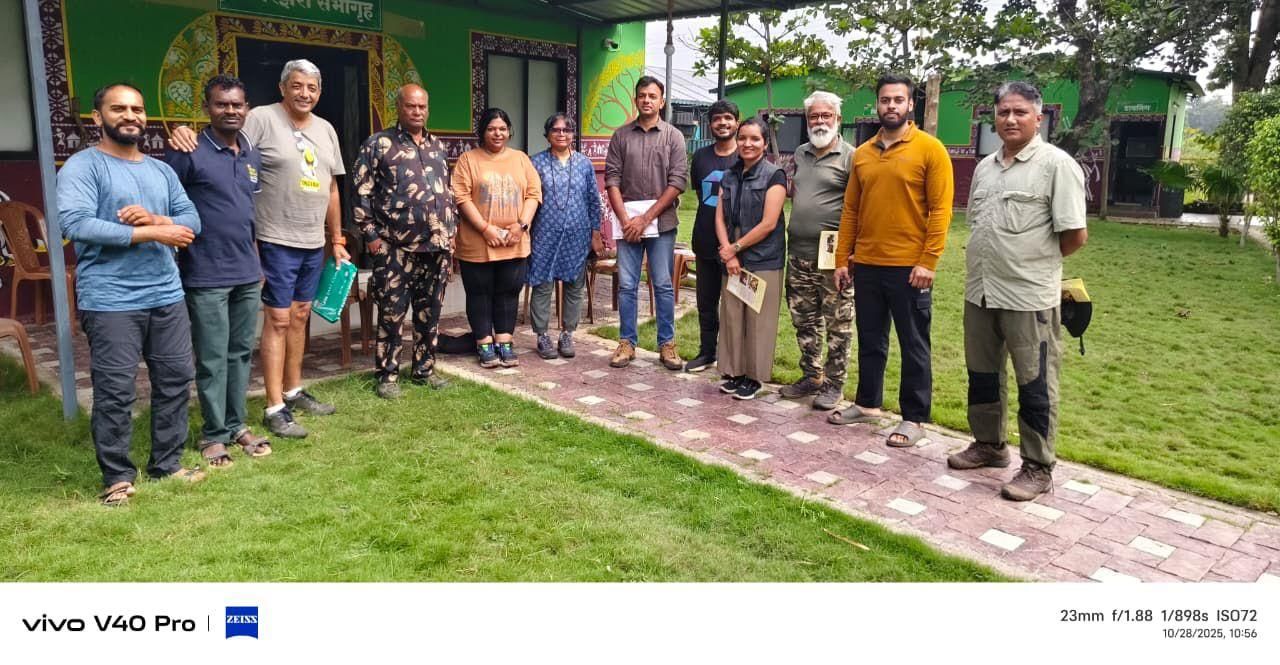
At the Colonial Rest House, Karwa.The location
The learning location
Colonial Rest House, Karwa.
Tadoba-Andhari Tiger Reserve, Maharashtra.
The programme is conducted at the Colonial Rest House, Karwa, situated in the forest landscape of Tadoba-Andhari Tiger Reserve. Karwa offers an opportunity to experience the forest beyond conventional wildlife tourism. Its natural surroundings provide an excellent setting for understanding forest ecology, biodiversity and conservation.
The campsite also carries a historical connection with the forest's past, offering an opportunity to reflect on the changing relationship between people, wildlife and forest conservation.
Accommodation & camp life
Stay inside the programme.
The residential experience is part of the learning — time together, shared observations and long conversations after the day's sessions.
- Farm double bedrooms
- Shared dormitory accommodation
- Tented accommodation
- Lake-side double bedroom accommodation
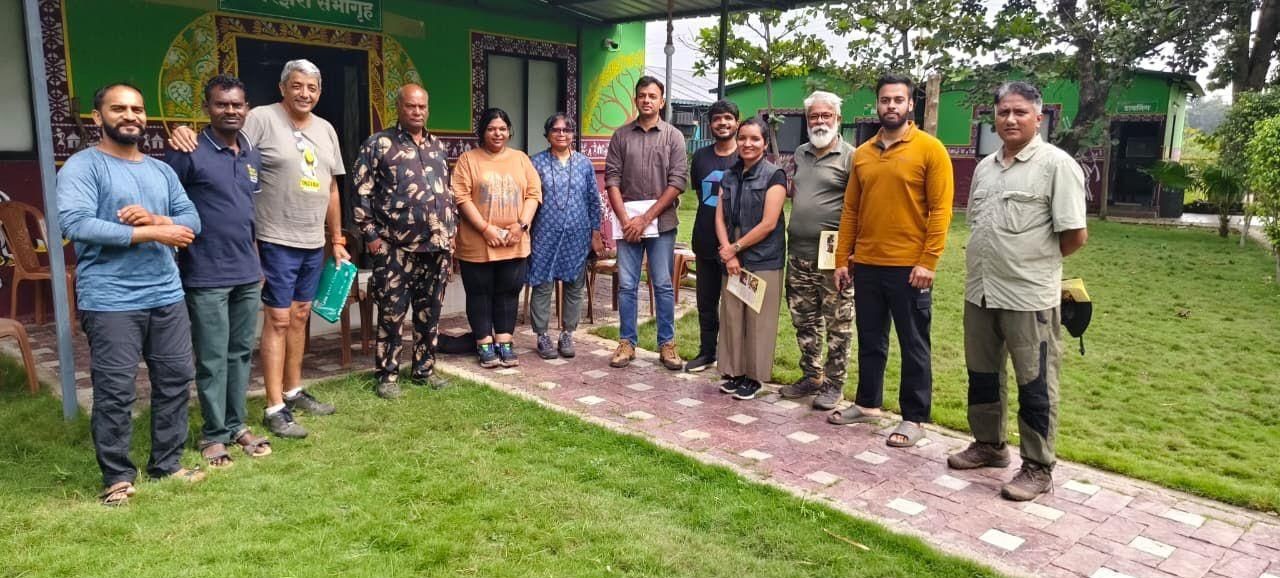
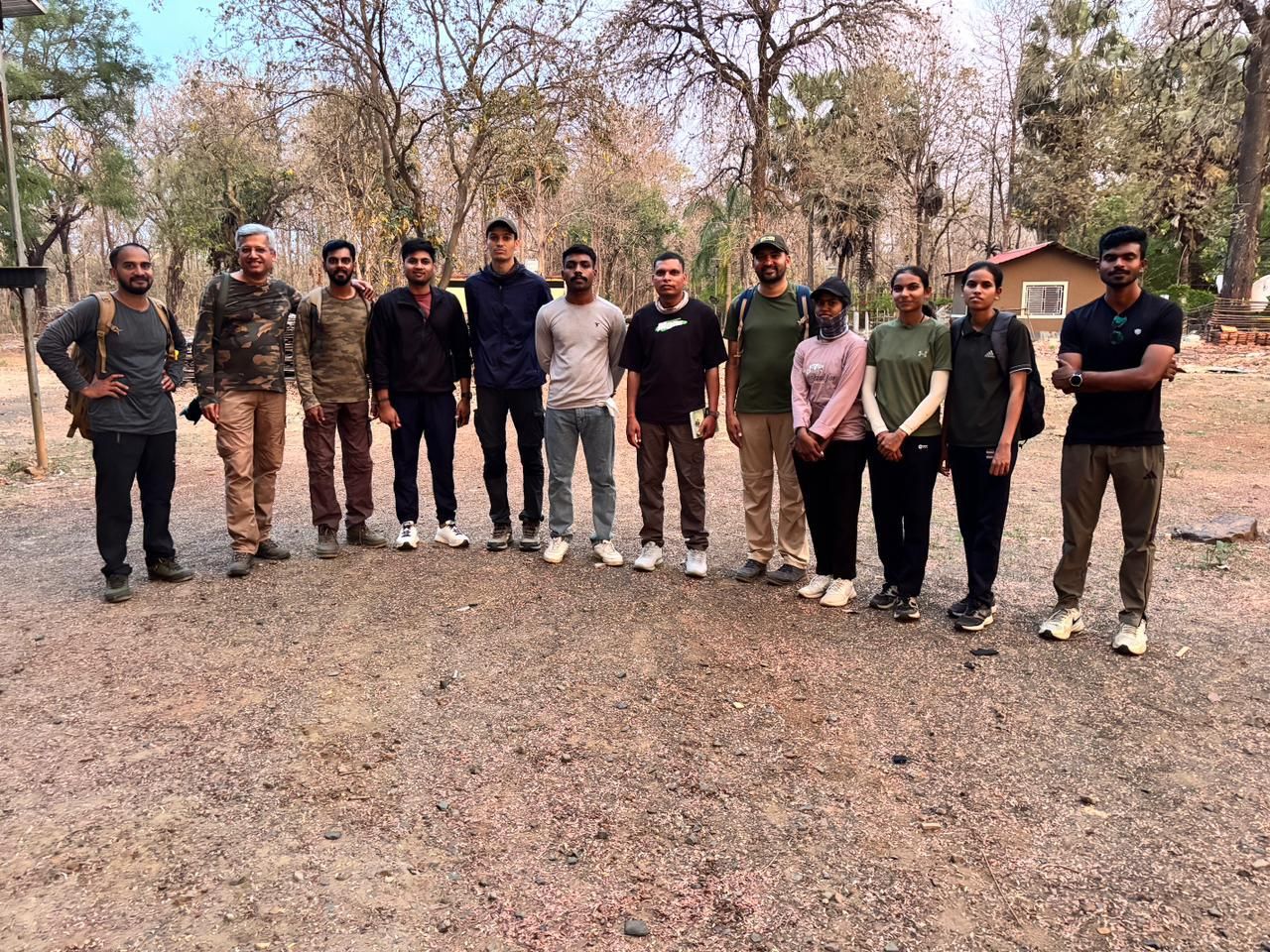
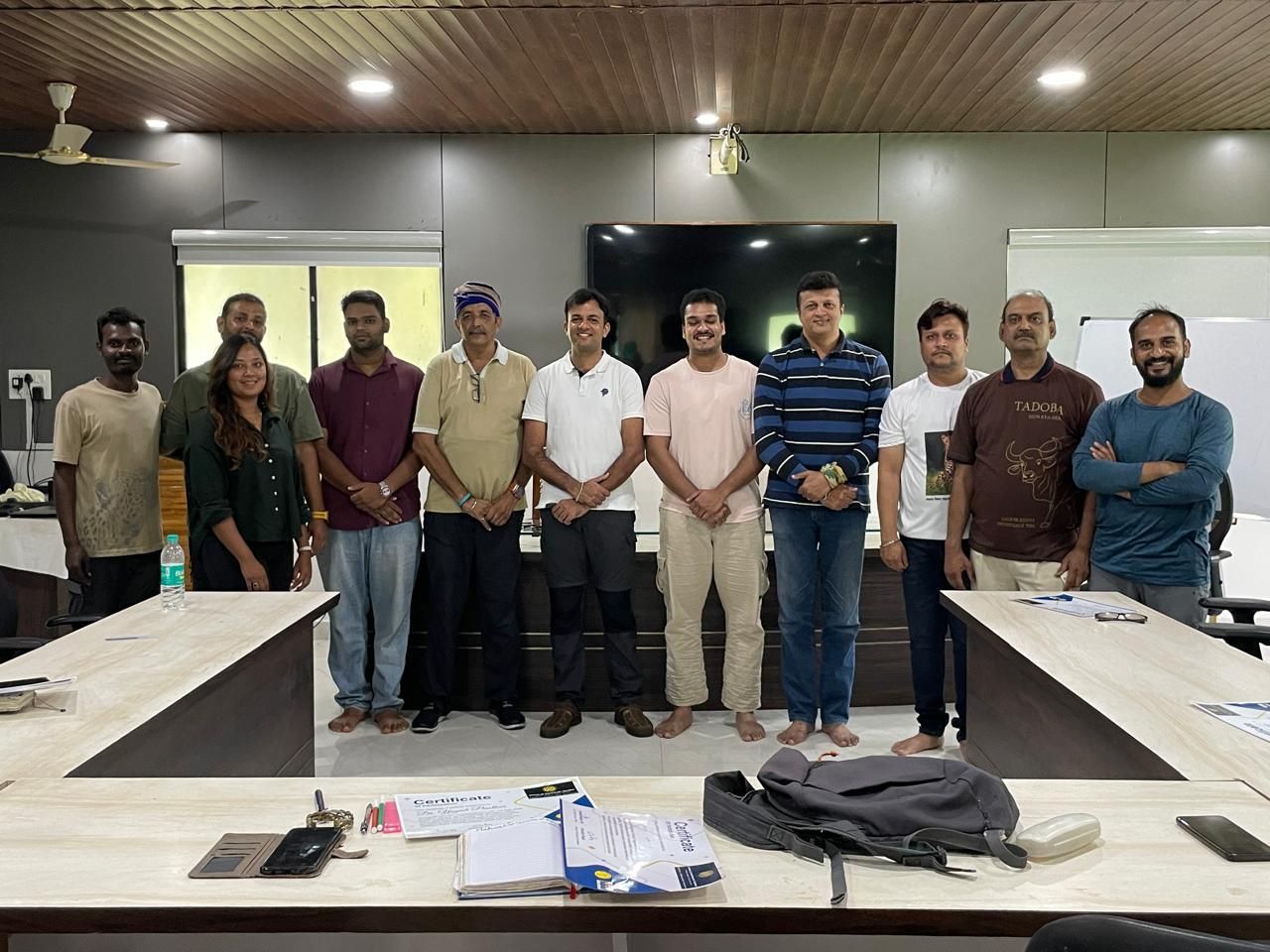
A training batch outside the camp building.Camp life
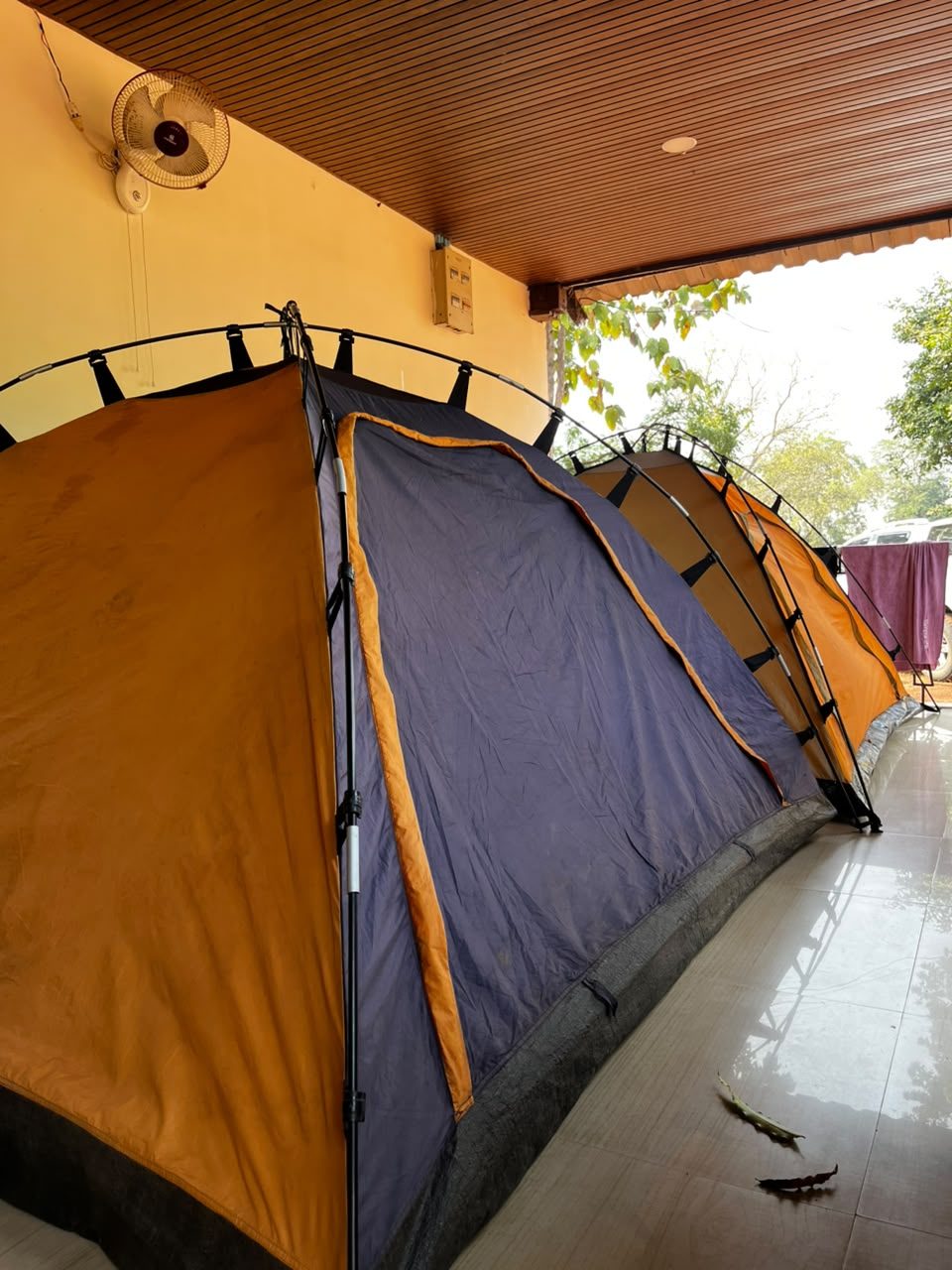
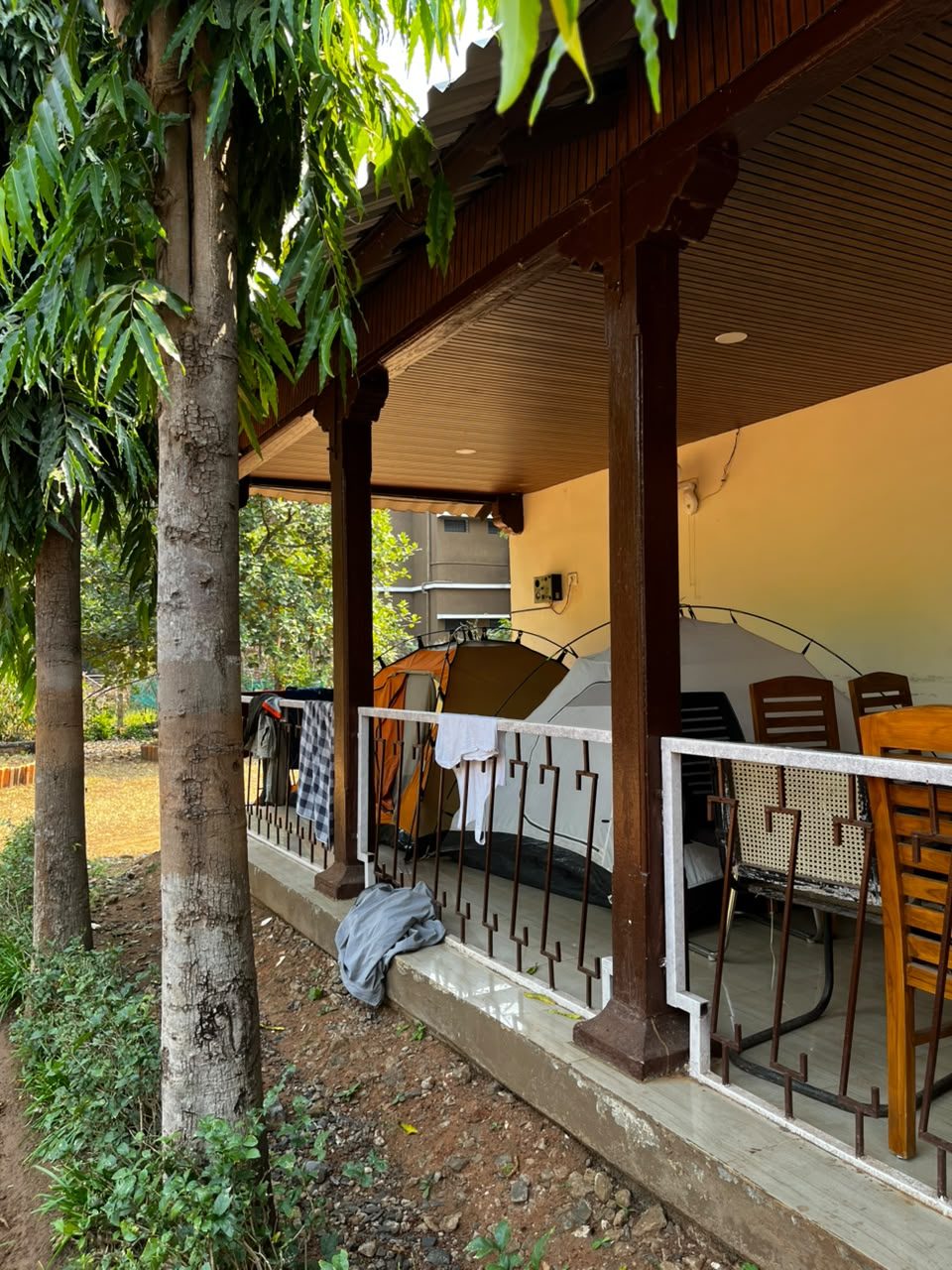
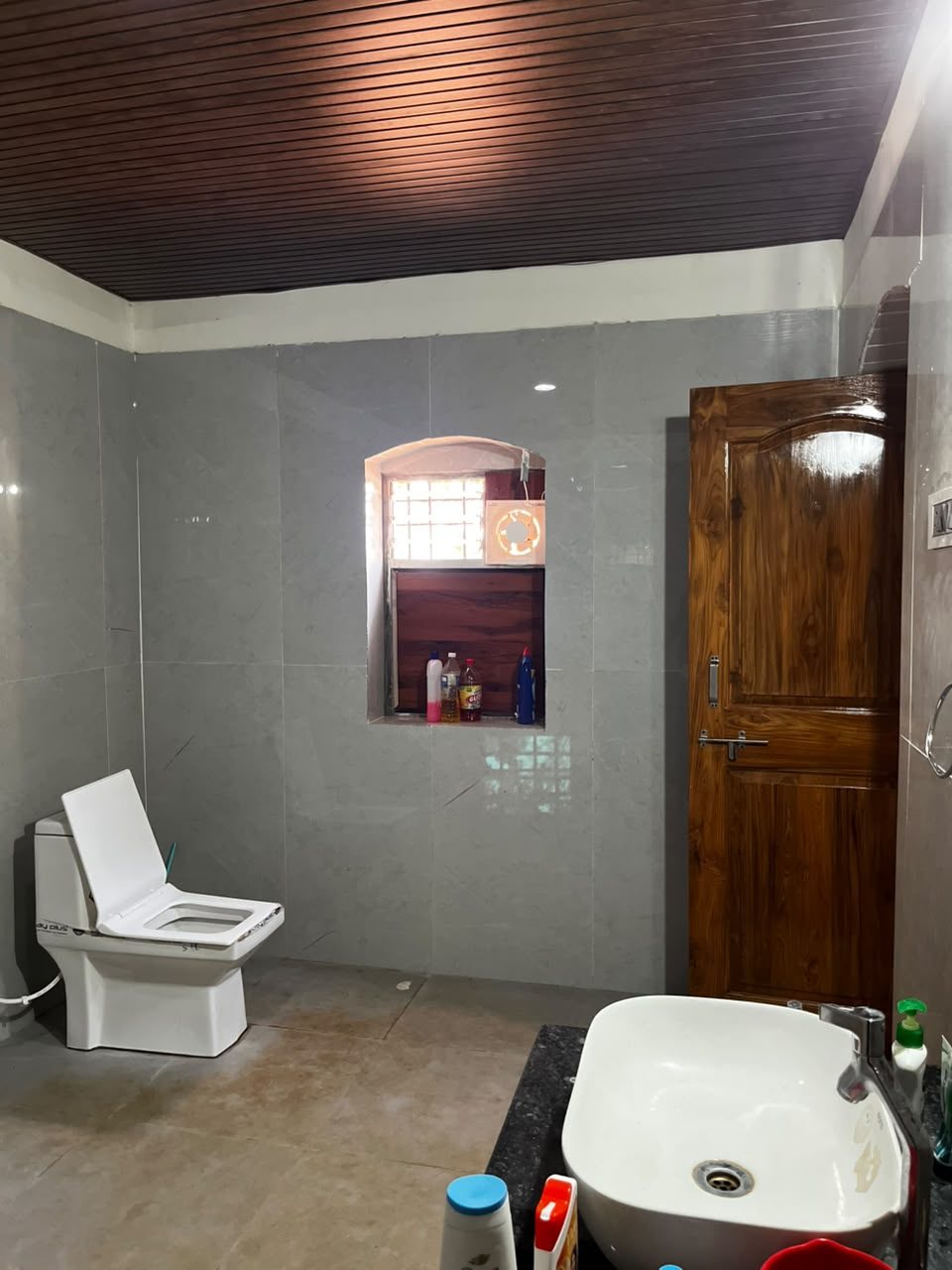
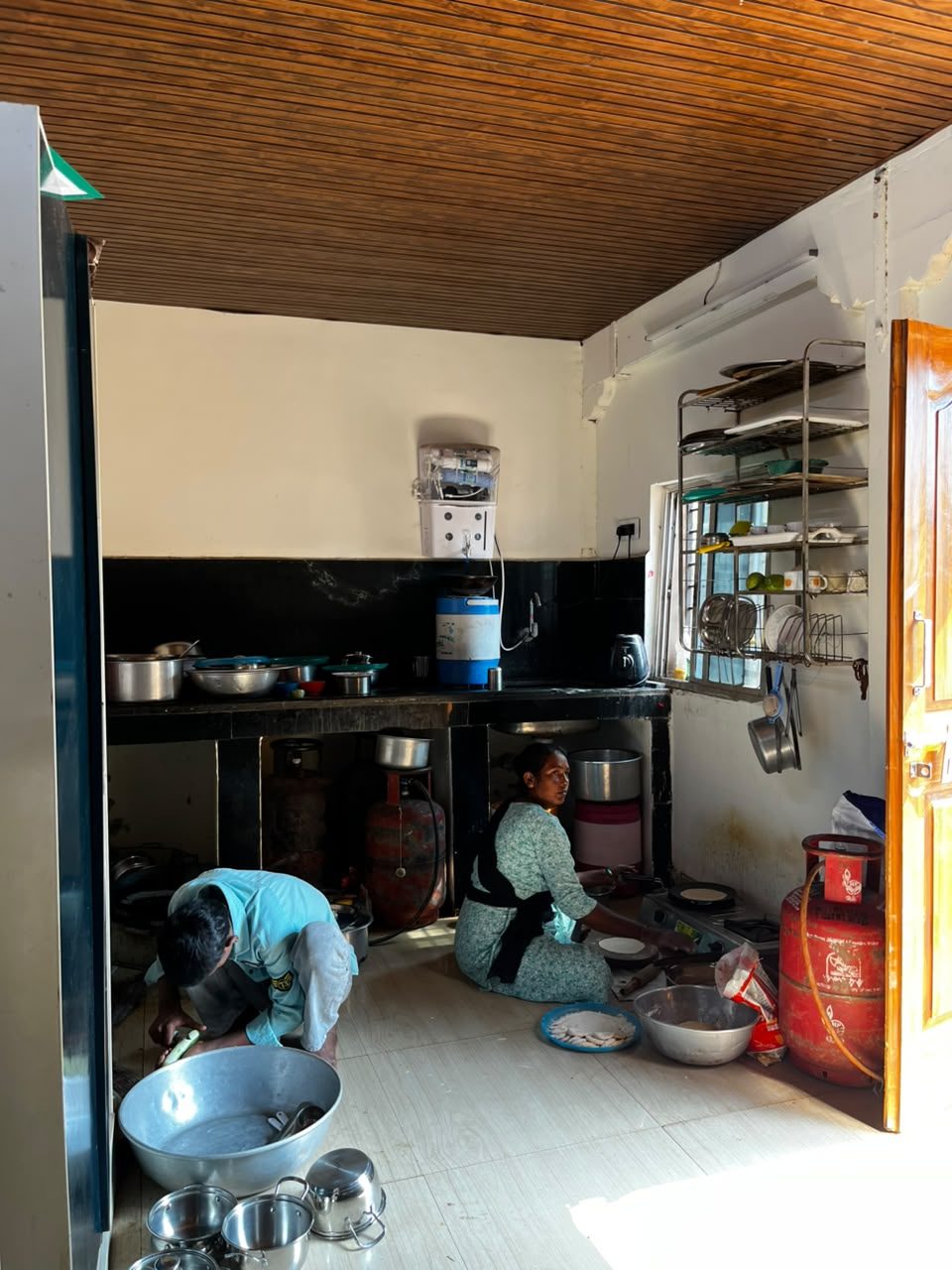
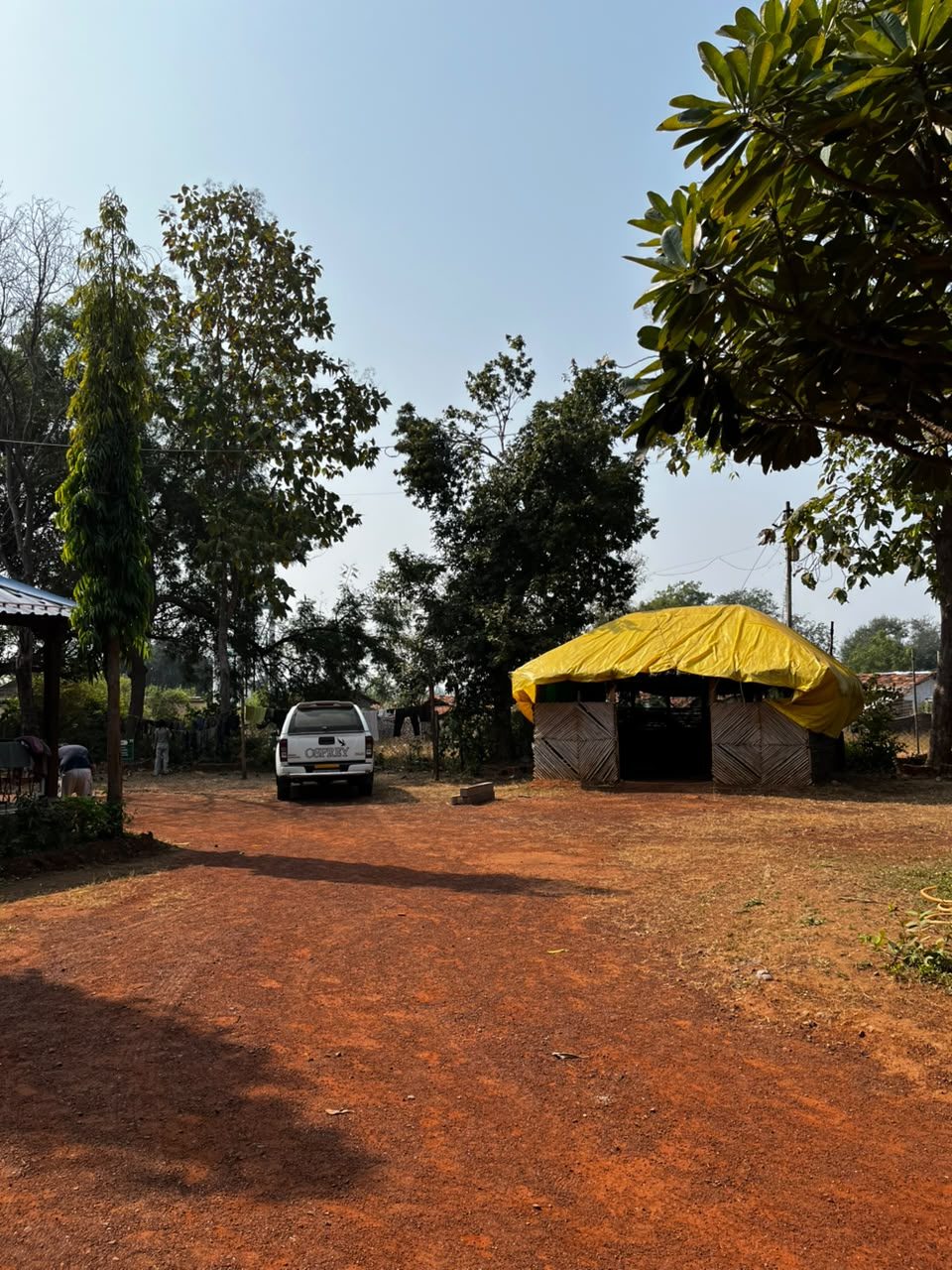
Allocation of accommodation is subject to availability and programme arrangements.
Programme details
Five days, one fee, everything included.
Duration 5 days / 4 nights · Colonial Rest House, Karwa · 16–65 years
Programme fee
₹16,750 per participant
The balance must be completed at least one week before the commencement of the batch.
The fee includes
- Accommodation during the programme
- Meals during the programme
- Educational sessions and training activities
- Practical demonstrations and field-based learning
Upcoming batches
Seats and accommodation are subject to availability. Registration is confirmed according to the programme's payment and confirmation process.
Pickup & reporting
- Pickup locationChandrapur
- Pickup & dropPickup and drop arrangements from Chandrapur can be coordinated as part of the programme logistics.
- Report atMul Road, 10:00 AM on the first day.
- Before you travelReporting instructions and travel coordination are shared with registered participants before the batch begins.
What should you bring?
Pack for the field.
Come prepared for early mornings, outdoor sessions and changing forest conditions.
- Comfortable outdoor clothing in earthy or neutral colours
- Walking shoes or trekking shoes
- Personal toiletries and essential medicines
- Reusable water bottle
- Notebook and pen
- Binoculars, if available
- Camera, if interested in wildlife photography
- Torch or headlamp
- Personal identification documents
- Rain protection or weather-appropriate clothing
Previous batches
Learning together.
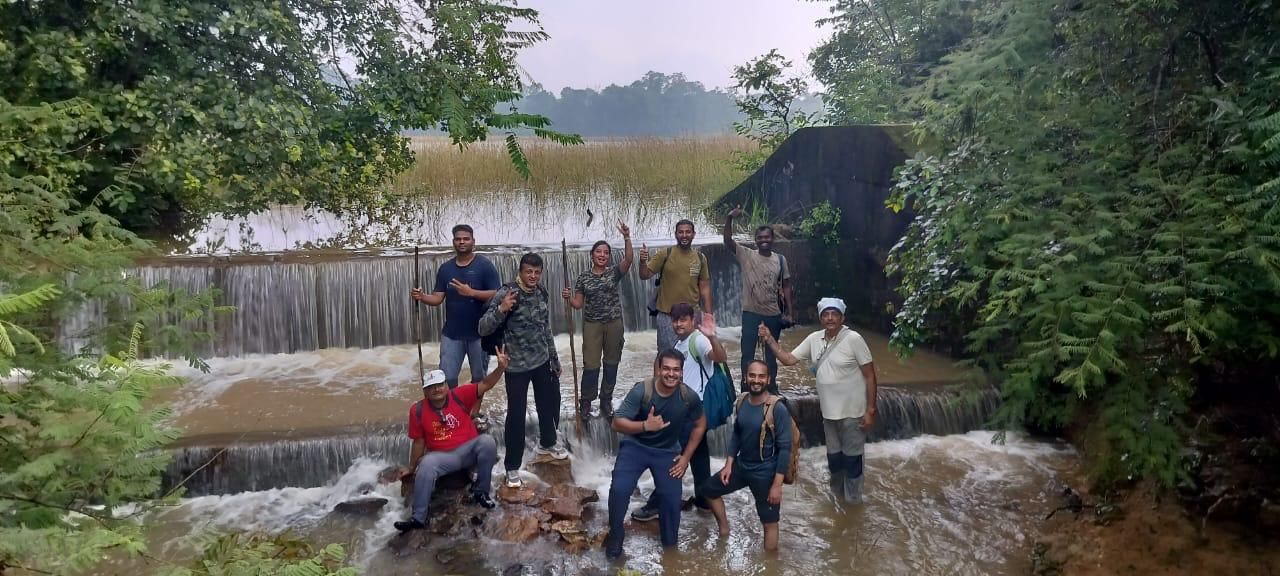
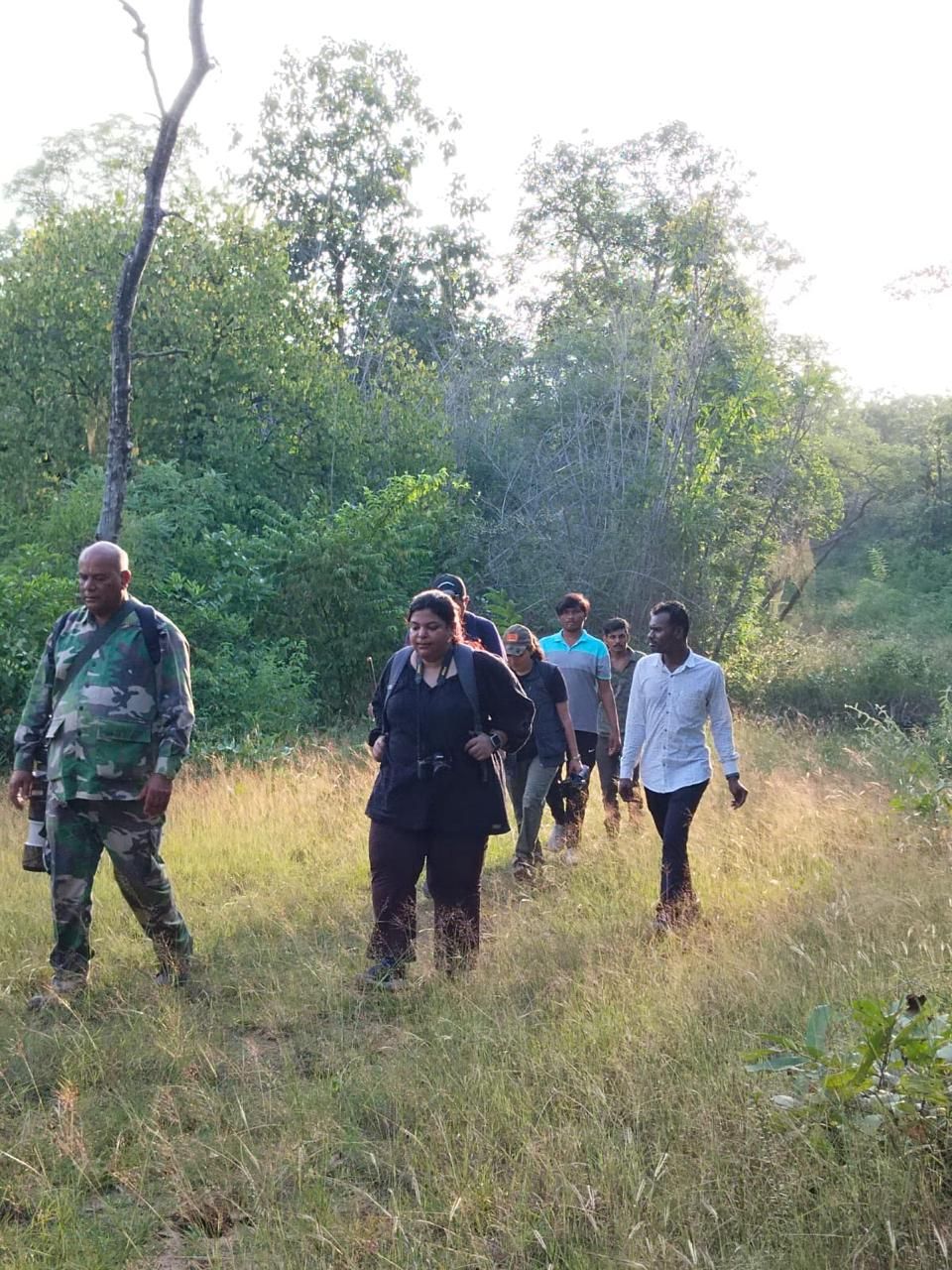
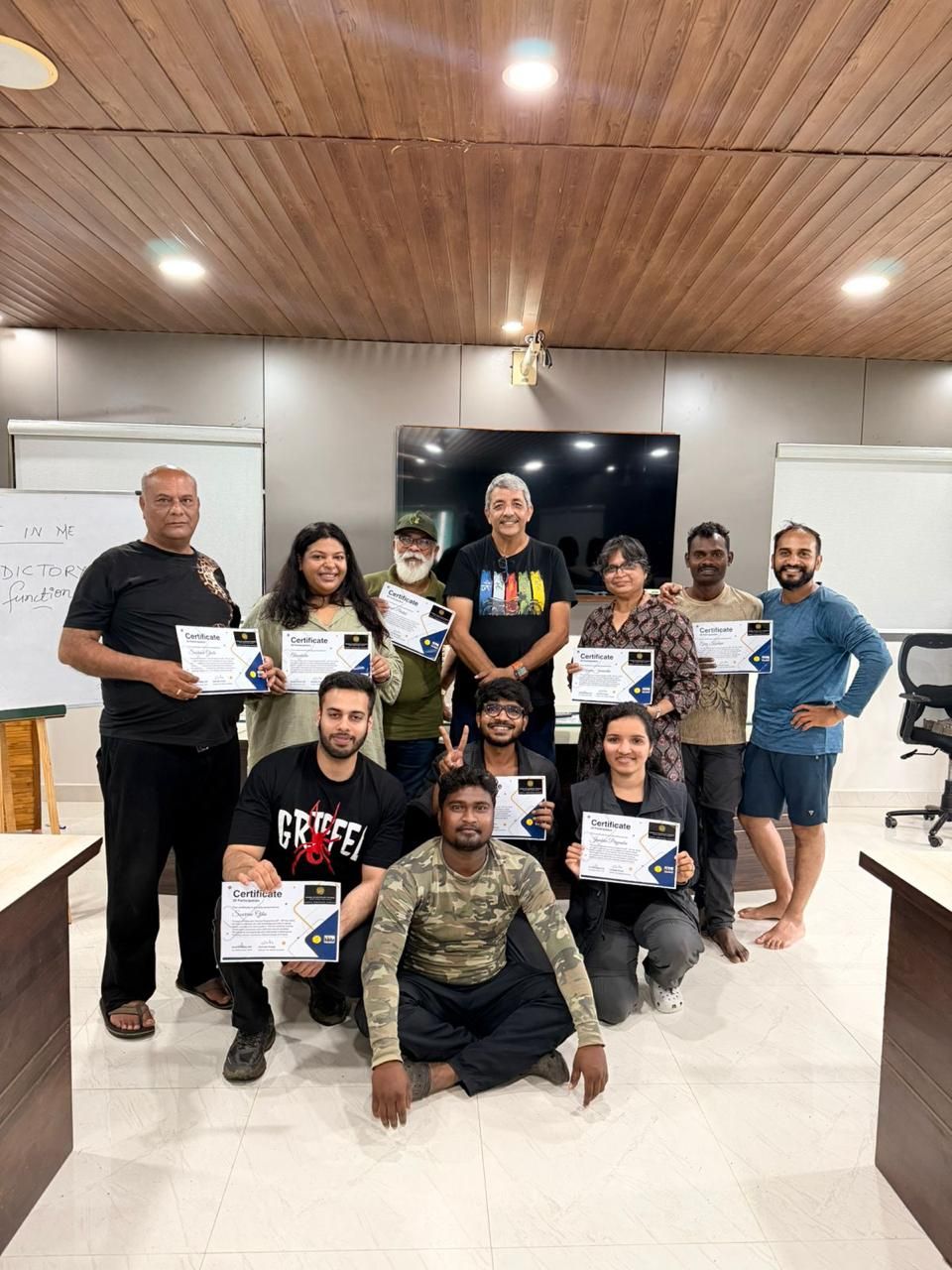
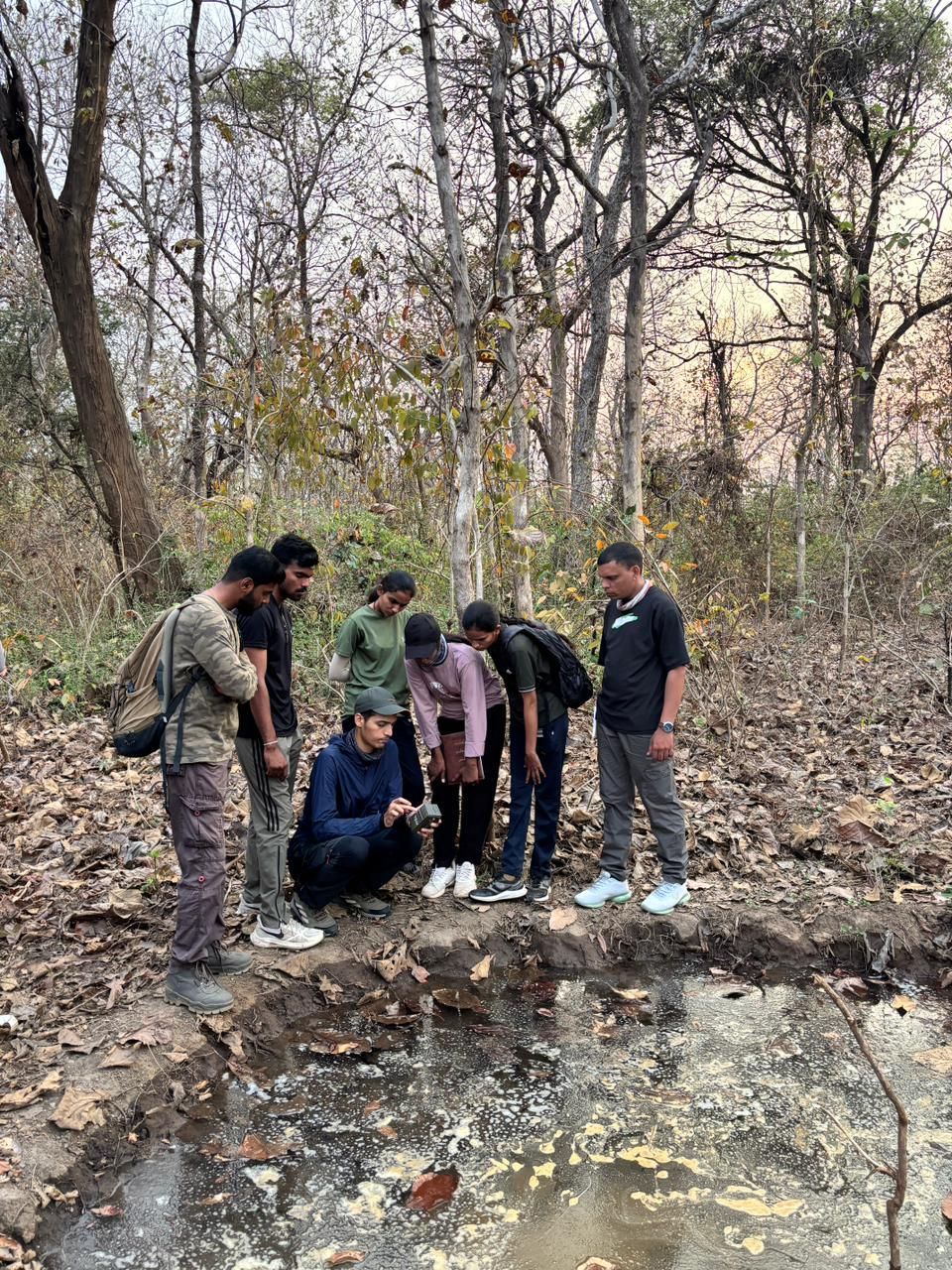
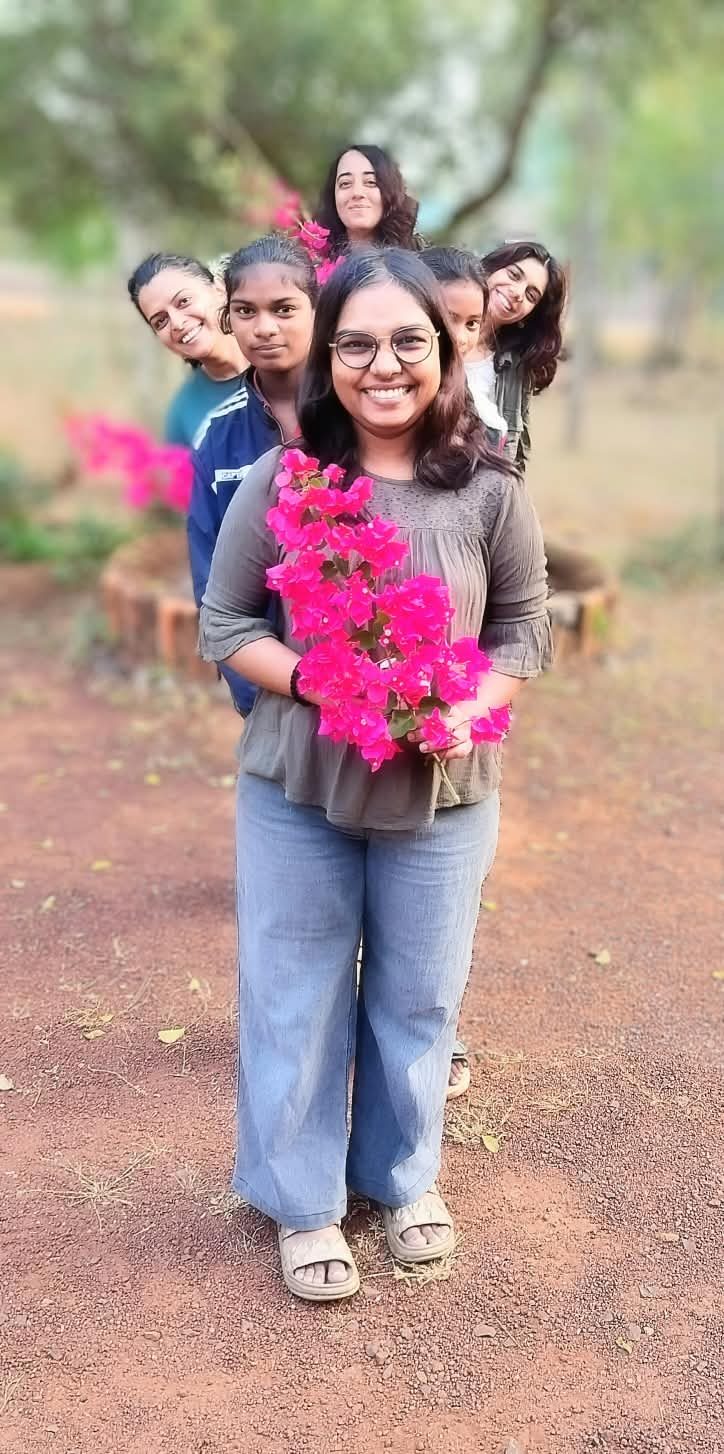
A few frames from earlier programmes — field sessions, classroom learning and the group at the end.
From the people we have trained
In their words.
“It’s always a pleasure and a knowledgeable experience to be with Anirudh Chaoji sir. His foundation is doing a great job in capacity building of guides. Best wishes for the foundation.”
“Anirudh sir is a very good guru. Six women guides from Tadoba received training from him, and he trained all the other guides too. He taught us to stand on our own feet. The changes in Tadoba today are because of you, sir. Thank you.”
Frequently asked questions
Before you register.
Do I need prior wildlife knowledge to participate?
No. The programme is designed for beginners as well as people who already have an interest in wildlife and nature.
Is this programme suitable for wildlife photographers?
Yes. Photographers can benefit from understanding animal behaviour, habitats, wildlife signs and biodiversity beyond photography.
Is the programme only about tigers?
No. It explores the wider forest ecosystem — mammals, birds, reptiles, amphibians, butterflies, insects, vegetation and ecological relationships.
Is accommodation included?
Yes. Accommodation during the five-day programme is included in the programme fee, subject to the confirmed accommodation arrangements.
Are meals included?
Yes. Meals during the programme are included.
What is the age limit?
The programme is open to participants between 16 and 65 years of age.
What is the registration amount?
A registration payment of ₹2,000 is required. The remaining ₹14,750 must be paid at least one week before the batch begins.
Where should I report on the first day?
Participants should report at Mul Road by 10:00 AM. Pickup and drop arrangements from Chandrapur can be coordinated.
Will I receive a certificate?
Participants who complete the programme will receive a certificate of participation, subject to programme requirements.
Will there be wildlife sightings?
The programme focuses on understanding nature and learning about the forest. Wildlife sightings cannot be guaranteed, as they depend on natural conditions.
Begin your journey
The forest has countless stories to tell.
All you need is the curiosity to observe, the patience to understand and the willingness to learn. Join the School of Naturalist Training and discover the natural world beyond what meets the eye.
Observe · Understand · Appreciate · Conserve
Programme dates, fees, accommodation and activities are subject to confirmation by the organisers.